



I’ve got two upcoming Substack Lives with two wonderful folks, Simon Haisell and Devon Halliday. You can add either or both to your calendar below. These are free to tune into and the recordings will be shared with everyone afterwards too, though I’d encourage you to come and join live so you can participate also!


Good Readers: On reading, rereading, fantasy, & literary criticism with Jessie Lethaby & Shannan Mann
[This transcription below has been slightly condensed and edited for readability]
SHANNAN: Can you talk about the title of your Substack, The Unseen Review? I love it, but I want to hear from you what it means.
JESSIE: I was talking with a good friend about it, trying to think of a new name that would encompass a new era of my life, which is much more books-focused. The unseen part of it refers to two things.
I mostly look at backlist. When you’re in the BookTok space particularly... actually, that’s probably not fair to say. There probably are a lot of people talking about backlisted books on Instagram and TikTok. But it’s also very easy to get stuck in the trap of looking at a lot of new fiction. And I’ve always wanted to read widely, to read from my extensive bookshelf. I’ve collected so many books. So the unseen part is partly about wanting to find those gems people have forgotten about. Which isn’t to say I don’t look at a lot of well-known books as well.
The other part is a slight nod to speculative. It’s a big part of my reading — sci-fi and fantasy. I’ve gone through different phases in my life where I’m reading more literary, more speculative books. And because I went through the whole university English literature experience, I was definitely pushed in the realism, literary direction. Not to say there aren’t great courses if you’re doing a degree in fantasy or whatever. So it’s a coming back to that as well, finding great literature in those genres, and trying to get other readers into those genres who otherwise wouldn’t. So it’s those two things. And I liked the way it sounded.
Has fantasy devolved, or just gotten harder to find?
SHANNAN: On this note of getting into fantasy — I don’t remember who wrote it, but I recently read an article on Substack that’s getting quite a bit of traction. It was about a reader who loved fantasy, loved all things fantasy, and suddenly had a change of heart. And now they — I don’t know if this is fair to say — now they hate fantasy. They got rid of all their fantasy books. I think they mentioned they still love Tolkien and C.S. Lewis, but they haven’t been able to find work like that.
They feel fantasy and speculative fiction has devolved into what they call a sandbox — a sandbox for the writer, where the writer is playing and just building whatever. And there’s no moral heart to it, no deeper themes. And specifically, they mentioned that Tolkien created his world because he felt there was no mythology for England.
I don’t know how much I agree with this. I thought it was interesting. I read it at the same time as I read this quote from Mark Twain: the man who does not read good books has no advantage over the man who does not read.
But maybe you can talk about the first part. Do you think fantasy has devolved in some way?
JESSIE: I have those ranty thoughts I’d express to a friend or family member, where I’d say probably yes — something to the effect of yes. I don’t love going into a bookshop and, when you get to the fantasy section, everything looks the same. It doesn’t feel like it has the variety you maybe saw in the sixties, seventies, into the eighties.
Even writers themselves aren’t taking it as seriously — which is fair enough, a lot of the writers writing in the genre are writing for entertainment — rather than your Le Guins, who are writing from a place of necessity, to explore the world, all these kinds of things. So that’s my grumpy side.
However, I always want to counter it, because I do think there’s good stuff out there. One of the major problems in general is finding good books. There’s such a profusion of books being published now that it’s nigh on impossible to find the stuff. So I get it, because I feel that frustration too when I’m looking for fantasy written today that has that — the John Crowley of today, or something. It’s hard to find. But I think it’s there. It just requires a bit of digging. And most people don’t want to do that digging. That’s why it’s so important that we write about books on the internet and talk about books on the internet, so we can help people find them.
So I want to say yes, widely. But then a lot of pulp fiction was being released in the seventies as well, which was hardly the most highbrow literature. And it’s hard to know sometimes how popular those books were that we now think are classics, or that we think are really well written. Sometimes it takes a couple of decades to see which ones they were.
A bad book can still be the one someone needed
SHANNAN: It can take even generations to really know what’s going to survive. And it’s impossible to tell how a book can influence somebody. A quote-unquote really bad book might meet someone at a time when they really need it. I’ve never read this book, but I know The Alchemist — sorry, I’m laughing as I say it. But that book helped people think more deeply about things. It was like a gateway drug.
JESSIE: It makes me think of the Barbie movie, which people had a lot of discourse about — obviously the feminist speech in that. But for some people, they haven’t heard it yet. So books as a gateway drug is good.
I do feel like people are getting a bit more stuck. I don’t know if it’s the feeling that you like your own tropes, that there are things you particularly like. And again, this is anecdotal, it’s hard to know if there’s any truth to it — but whether readers are as willing to read a book they’re less sure about, less sure they’ll like. Because if you want it to be that gateway drug, you need people to take the next step out of it.
SHANNAN: Exactly. That’s a really good point, because that’s the problem with drugs also. I think people vote with their dollar. You see a lot of the same stuff that sells. It sells for a while, and then you get a lot of — dare I say — copycats, and it becomes about tropes and trends.
And I wonder how much one can write something that’s truly free thought, truly thinking about the time we’re in, our place in the world, our place in the universe, when you’re also trying to cater to certain tropes and trends. Maybe you can. I don’t think I’ve seen it. Have you?
JESSIE: Some authors are. I’ve just started China Miéville’s The Rouse, I suppose you’d call it. He’s obviously a huge name in speculative fiction — he’s written both sci-fi and fantasy. And this book is experimental, it’s clever, it’s what we’d call highbrow, in quotes. But he’s an established author. So it’s the tricky thing with new authors particularly. It must be hard.
And publishers, from what I hear from people inside the industry, are variously more or less risk-averse. So it depends when you submit your manuscript: does it reach the right person at the exact right time? I do think a lot of them are more risk-averse than they used to be. I feel like we can just say that.
Why a serious reader should read “backwards”
SHANNAN: I don’t know if “should” is the best way to start this question, forgive me. But I want this to be a reason why a serious reader — and there’s a lot to unpack in that label, a serious reader — might want to explore classics, or the backlist, more than just thumbing through the latest reads and the next bestseller list. Is there more there for the soul, for the heart?
JESSIE: I think so. Just statistically as well. Whatever’s published today, whatever’s really good of it is going to be a much smaller percentage than if you look at everything that’s come before.
And reading in the backlist extensively — just reading loads, reading stuff you don’t know if you’re going to like. I’ve acquired lots of people’s libraries. My dad moved to America, they gave me loads of books, and I read through them all. It was really interesting, because these are random books from somebody else’s shelf. But doing that gives you a sense of the breadth and variety in fiction writing. A lot of times when readers really don’t like something, or react really badly to something, it’s just not being used to what a novel can do and what a novel can be.
There’s also a lot less book coverage these days in traditional outlets. And there’d be TV shows, radio programmes that people would have watched or listened to a lot more twenty, thirty, forty years ago. That would have steered you towards the books being released today that work best. So it’s a tricky one.
And there’s been a lot of chat recently amongst critic circles that books are getting an easier ride in reviews, apart from the occasional pan. Critics aren’t being as critical. But it’s hard. We’re all battling against people’s phones and TV. So to get that book coverage back, and then to make sure it’s pushing the books that really should be seen — it’s tricky.
What criticism is for, or beyond verdicts and easy opinions
SHANNAN: And I think we’ve perhaps forgotten that critique doesn’t necessarily mean “this sucks, and here’s ten reasons why.” Critique is inherently entering deeper into a text — whatever form that text takes. Within media studies, a text isn’t just something written down. It’s something you engage with, that you’re in conversation with.
One thing you mentioned to me on the call we had before this — and correct me if I phrase this differently — is that you’re stepping away from thinking of a book you’ve read as a bad book or a good book and why, and more towards thinking about what it is and what makes that book what it is. Could you talk about that? Because I don’t see this in reviews. Even a very good review will give a verdict, will give a star or the equivalent of one.
JESSIE: I’ve become a lot more open to a book as I’ve got older. When you read as a child, you read voraciously — and we all wish we could read like children again. You either end up putting the book on your favourite shelf, or you feel nothing about it and discard it. There’s no deeper evaluation then. It’s such a wonderful thing. I wonder whether that’s missing, especially for teens these days, because of Goodreads and the star ratings. Everyone’s thinking more about rating the books they read.
Then I went to university, and we weren’t really looking at “is the book good or bad?” — it was “how will I write the essay about it?” And then I did all these reviews on YouTube and in writing, and I was very much “this book is good or bad, and I liked it or didn’t like it.”
And then I started the book club, and I talked to people from around the world about books, and we analysed them, and we were doing both modes at once. We were doing the sort of thing you’d do in an English lit seminar — looking at themes, looking at language, what’s the book saying. And we were also doing: do we like it? Do you like it? Do I like it? The whole group feeding back on that.
So now it’s a melding of the two. When I look at a book now, I’m really looking at — and of course you can’t really answer this — what did the author envision this book to be? And does it achieve those goals? I’m still happy to say a book isn’t successful, perhaps I’d say, rather than bad. It isn’t successful. It doesn’t achieve those goals. And I’d still evaluate it on that basis when I’m reviewing. I want people to read good books. If I think it’s not worth your time, I’m still happy to say that.
But I’m much more open to books as — well, first of all, as a human document. Obviously at university you have to study Roland Barthes, you have to do the death of the author, you have to do post-structuralism. And for a time every student is like, oh, the author doesn’t matter. Just text, a slippery, slippery text. And I’ve come away from that, thankfully, because everything comes out of a human brain — maybe multiple; you have an editor you work really closely with. And it’s made in a very specific time. Bringing some of that context back in is important to me now: seeing it as a production of a human mind and treating it as such.
It also helps me be a bit nicer to it. I’m more open to the flaws of the book as well. Sometimes the flaws make a book, for me. There are lots of books where I think, oh, this is rambly, a really good editor would cut this. But I like it. It gives it something. It doesn’t work with every book, but with some of them it gives it a personality, almost. It’s not some perfect thing.
So I’ve definitely softened as I’ve got older, but I still want to provide that guidance for people. If you do align with my taste, I want to be helpful — make sure you’re reading the things I really think are worth your time, because it’s such a time-consuming book. It’s such a specific kind of art form, one that requires so much time of you.
But Shannan, when you read, are you evaluating as you read?
On DNFing
SHANNAN: If I wanted to sound really erudite and scholarly, I’d say no, of course not — the liking and disliking just helps me learn about myself. Which it does. But being a mom of a five-year-old, working full-time, running two magazines, I’m often like: if I don’t like it by page three, I’m out. Which — obviously it’s not page three always. I’ll often return to the book at different times, especially if it’s something I really want to like. There are books I really want to like. They’re not necessarily classics — or maybe they are sometimes, or they’re by an author I admire. But if I’m not feeling it, I’ll put it on hold and come back to it.
For me it doesn’t come down to being entertained — although I don’t think one can divorce the sense of being entertained from any media we take part in, because it’s so natural for the human soul, the human being, to want to enjoy something, to have that sense of relishing the taste. But there’s something about: does it feel like a voice I want to listen to?
What I can immediately tell annoys me is when I’m reading a book, especially when I’m in there, and it’s just suffering. There’s not a ray of hope here. I have no hope that there will be a ray of hope. This is just so sad. It’s so sad. And there was a time when I loved that so much. That was my thing.
Now I need levity. I need some lightness. And lightness doesn’t necessarily come from humour, or from being a funny book. But I need some kind of capital-R romance — not lowercase-r, capital-R romance — in my literature. That makes it feel charming. It might just be the place I’m in.
So yes, I’m for sure evaluating. I’m more forgiving with audiobooks. If I’m cleaning the house — an average audiobook’s what, eight and a half to eleven hours long? — and I’m having a big, long cleaning day listening to an audiobook that’s not so great, that’s actually helpful, because if I miss something, it’s okay.
But a physical book — because, like you mentioned, it’s work you put in for yourself, but it’s still work, it’s still your time — I’m more critical of it in that form. I’m quicker to say, let me pause this. Very rarely does a book make me want to throw it across the wall. I don’t buy those books. I don’t acquire them if I know they’ll make me want to chuck them.
Joy in literature and Joy of literature
JESSIE: I’ve also got better at putting books down, which is perhaps part of this — because I’m putting down the ones I know just aren’t for me, that I wouldn’t get on well with.
As you were talking about levity, we talk about that a lot in book club — having a sense of warmth, which I generally need. I don’t love books where I don’t feel any warmth at all. And it can be a tiny thing. One character, one scene.
But there’s an element to humour as well. I often find, when you’re dealing with tragic circumstances in a book, that the books which incorporate some small amount of humour aren’t only more enjoyable to read, they’re elevated somehow. We’ve moved out of a trauma-porn place into something where — does it add an extra layer of commentary? I’m not sure. But I think about that quite a lot when I’m reading.
Because a lot of work these days is quite self-serious — a lot of literary stuff particularly. If you go back and read literary fiction from the eighties, a lot of it has humour in it, a bit of levity, or at the very least quite a lot of warmth. Whereas a lot of it now is very serious, in ways which don’t reflect life, for me.
In defense of escapism & charm
SHANNAN: No. It makes me think — I don’t remember the exact quote, but Tolkien said, what’s wrong with the term escapism? You’re labelling fantasy as escapism, but if one is in a prison and one wants to escape, why is that a bad concept?
I think fantasy has now drifted from this sense of escapism. Before, when fantasy was relegated to the edges, escapism was used in a negative way. But I resonate with that, and with that sense of warmth — I felt that recently with Susanna Clarke more than anything.
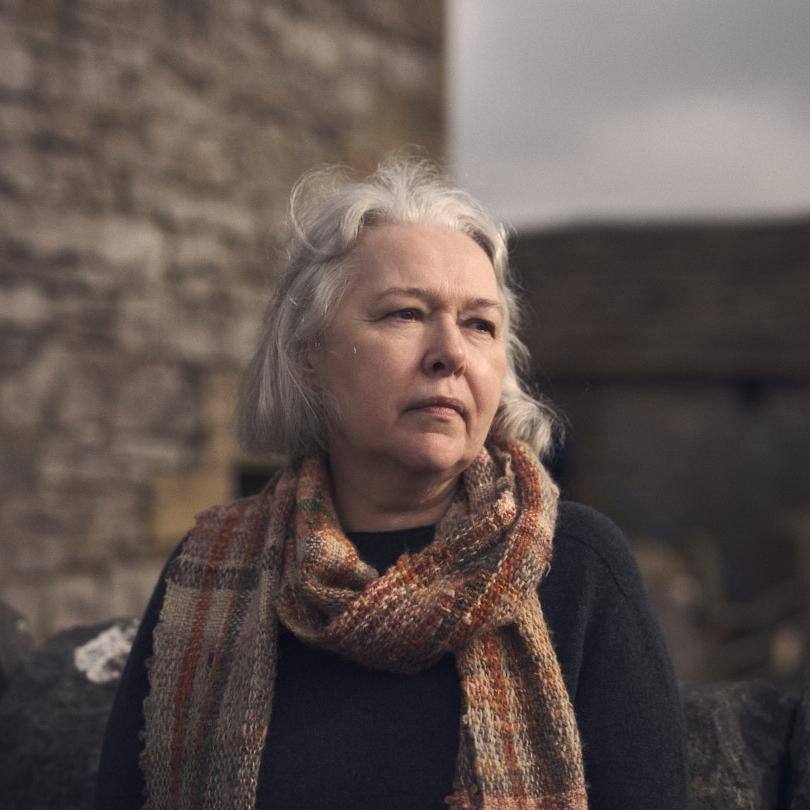
When I first read Jonathan Strange & Mr Norrell, I read it over the course of a year. And the reason I took so long wasn’t because it’s such a long book, which it is, but because I didn’t want it to end. I’d microdose myself with that book. Around page fifty I knew this was going to be one of the best books I’ve ever read. I thought, okay, we’re going to slow this down. Because I’m never going to get this experience again of reading this book for the first time. So I need to experience it slowly.
And obviously there’s a lot of dread in that story. There are a lot of scary situations. There’s even a sense of horror and mystery. But there’s a lot of, again, capital-R romance, levity, lightness. There’s a lot of what you see later in Piranesi. You can see how Susanna Clarke’s writing of this massive tome helped inform that.
One thing Susanna Clarke said about Piranesi was that she was thinking about the idea of dystopia, and how end-of-the-world narratives tend to be quite sad, and we think about what horrible things we might put the character through. But what if a book was just about the fact that the world is beautiful and the character is wonderful? Could that sustain people’s attention? Could that make for a good book? And it certainly did. I’ve seldom come across a recent text like that story — like both of her books.
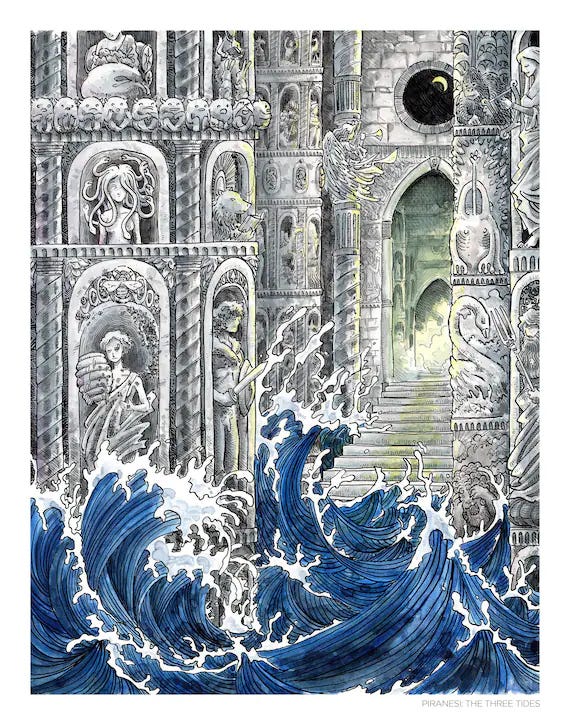
JESSIE: When you were talking about charm — she has it in spades. There’s such an art to charm, to capturing the reader with a particular kind of magic, a particular kind of voice. And it would be nice to see more contemporary fantasy that has that charm — or really any literature. If literary fiction could recapture some of that charming feel, that would be good.
The moment you realize writing can do that
SHANNAN: I remember feeling that too when I first read One Hundred Years of Solitude, at sixteen. I remember getting to the part where Remedios — sorry if I’m spoiling this for everyone, I don’t think you can really spoil García Márquez, but I apologise if I am — where Remedios the Beauty ascends to the clouds. And I felt like I was ascending to the cloud. I thought, you can do this. You can write literature like this.
And a few years later I found out that the reason García Márquez started writing was that he loved reading, he loved literature, but he hadn’t picked up a pen. He hadn’t thought to do it, because he didn’t think the kind of stories in his head would translate. But then he read Franz Kafka, he read Metamorphosis. And when he read this book where Gregor Samsa wakes up as an insect in bed, he thought, wait, what? You can do this? I was like, you had the same reaction to him as I had to you. It felt like such a connection through history and time.
And when writing does that, something happens that’s almost religious. It’s a religious ecstatic experience — you read something and it’s like: you can do this in writing. You can do this in words. You can create a whole world, or make a character ascend to the sky and then just move right on in your story. That sense I often find is missing from literature. But I also don’t want to complain about it, because it’s something difficult to capture and difficult to do. And that makes it more special.
And I do love literary fiction, don’t get me wrong. I love my realism, and I still read a lot of it. I read mostly it, to be honest. But there’s something very special about fantasy elements or magical realism or speculative elements. There’s something — I don’t know if it captures some ancient ecstatic thing in our human selves — about stepping over the boundary of what feels possible.
JESSIE: I had a similar experience when I came back to speculative fiction in my young adulthood. I thought, oh, hang on — you can do this. You can write really well. You can have good, strong character work and be talking to some really important political themes, or talking to our world in an interesting way. But you can also provide this sheer delight, and create something entirely new.
It must stimulate — we need to do an MRI scan of someone’s brain reading that kind of moment, because it must light up the brain in a very particular way. That’s why I’m so passionate about people reading good fantasy, or finding fantasy that has that complexity to it — the stuff many of us enjoy in our serious fiction, whatever that might be, but with the fantasy element too. It brings something out in us. And a childlike element too.
Wonder is not the same thing as childishness
SHANNAN: What’s that quote — is it C.S. Lewis, where he says something about reading literature being a way to be a child in adulthood? I’m totally butchering it. If somebody knows what I’m talking about, please post it in the chat. But I feel that quite often — that it’s a returning to your childlike state of wonder. Not childish.
That’s perhaps where the dissonance comes. When I read certain books I don’t finish, which I feel are very childish — this very childish fantasy. And I don’t think children are actually childish. They’re very intelligent beings who are learning and taking in so much information, and it’s wonderful to see. So when it becomes juvenile — and I don’t mean what’s classified as juvenile fiction, I love juvenile or middle-grade fiction — but that kind of childishness where it’s like... I’m going to sound terrible saying this, but it’s like: you really think readers are dumb, don’t you? That tone pisses me off within writing.
JESSIE: I agree. Is it that sense of wonder? Is it a sense of curiosity? That’s maybe also what I mean when I talk about how I’m approaching books: it’s coming from a place of curiosity, rather than immediately, hmm, is this a good book?
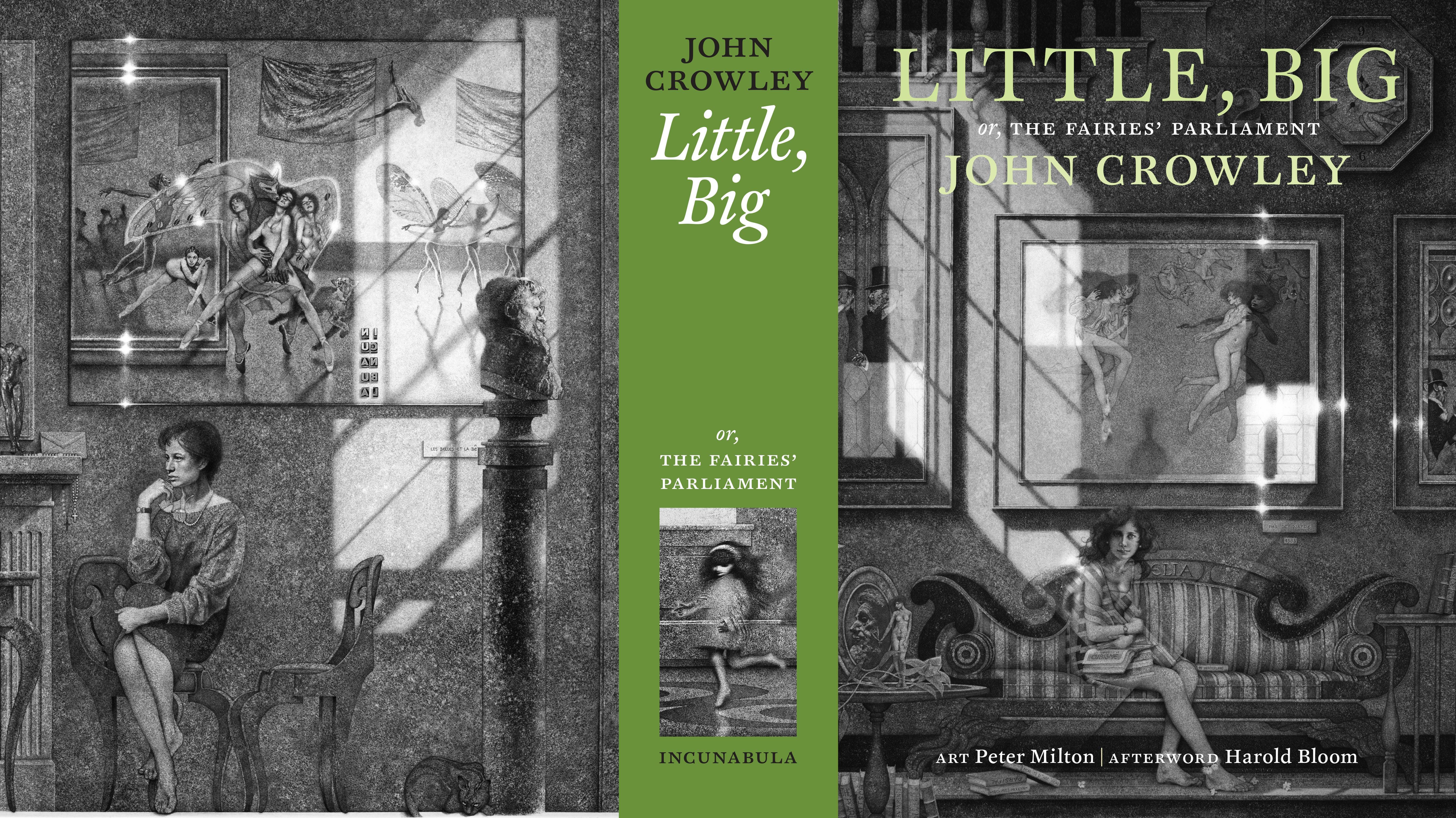
But finding books that do that is really hard — finding those books that really capture something. Little, Big is a great example. There’s something totally wondrous about that book. The two slow reads I’ve done have been fantasy, and I’m wondering how I’m going to do a couple of pieces of realism. I’m wondering whether it’ll have quite the same effect. We also did Gormenghast, which if you haven’t read, you definitely should. It’s incredible.
But having that openness — wonder is really important. And I read a lot of children’s literature now with my daughter, and even picture books have inspired me so much as I’ve been reading them with her — and also irritated me, again, about how hard it is to find the good ones.
SHANNAN: I wonder if this recent trend of cosy fantasy is people trying to get back to that wonder element, but doing it in a way that’s very contrived. Which isn’t to say there aren’t fantasy or speculative books that give you those feelings of cosiness and aren’t like that — that aren’t quote-unquote bad.
But when you try to commodify something as expansive as the human experience of wonder, our experience of joy — when you try to commodify it, to mark down the things that might work from it, to make it into this capitalist product — that’s where the childishness comes in. Because a good reader can see through that. They see: okay, this is a collection of elements. This is a collection of things that should work to evoke something, but it’s not working. It’s a body without a soul.
Is any reading “good” reading?
JESSIE: I’m thinking about that Mark Twain quote you mentioned earlier, about how if you’re not reading good books you have no advantage over the non-reader. It’s such a hard one, isn’t it? I’m not sure I entirely agree.
And obviously, trying to raise a reader as well — when we think about the state of reading in the world, whether people are or aren’t reading anymore, I try to think, okay, what can I control? And I think, okay, I need to raise a reader myself. That’s important. And I’m always giving books to people.
But it’s hard, because: is any reading good reading? To a degree, yes. What I was getting at a little earlier is that people are getting stuck in a certain phase of reading. We all go through these phases, and I’ve ended up at a point where I love books that are smooth reads, that are entertaining and enjoyable. But I also love thorny books.
And that jump — how do you get people from cosy fantasy, or whatever it might be, to something a bit more thorny? And is it worth doing that? Is it important to do that? Or can we just allow people to like what they like? I don’t know the answers to any of those questions, but I want to get people over into thornier works, because there’s something so rewarding about it. It makes you think.
Book clubs can be helpful there. If you haven’t got experience studying literature extensively, finding somewhere you can start digging. Because perhaps that’s where my love for thornier books comes from: I was made to study them, made to dig into them. And once you do, and you unlock their secrets — it’s such a satisfying thing, like doing anything difficult. So perhaps in the contemporary age, the book club is the place to do that.
But how important is it that we get people to literary fiction? Or do we just allow the full breadth of readers to read whatever they like? It’s a tricky one. What do you think?
Two bookstores, two ideas of a reader
SHANNAN: I was just at a bookstore the other day. I went first to a used bookstore, then to a chain bookstore. And the difference in the experience was such a contrast.
The used bookstore — I’m going to sound like such a purist, I don’t mean to. I actually like both bookstores; they’re both lovely in different ways. But the experience was tangibly different. You walk into the used bookstore and there are walls of dusty classics. My eyes and nose flared up from all the allergies. I had to keep getting out my — probably very gross to the people around me — but it smelled like literature. It smelled like time. Being in there, thumbing through papers that felt like you need to be very gentle as you turn them. And seeing their categories: they had their fantasy, they had their science fiction.
And then I go into the chain bookstore and the first thing I see is candles. Again, I’m sounding like a purist, forgive me. But candles and tote bags and t-shirts and pyjama sets and bears. And then, on the corners, there are books. The best section of that store was the kids’ books, the kids’ place. It was very colourful and there were a lot of books there, although there were toys too.
But the experience there is geared towards a consumer. A reader has to make it an experience for themselves, with some effort. In a used bookstore, in a place like that, the experience is there for the reader. And I was thinking, how important is it where you live, where you stay, what’s around you? Do you live in a place where there’s a lot of living, breathing literary culture?
JESSIE: To be fair, in London, and really around the UK, we have some great literary festivals. But you have to seek that stuff out, and you have to be a reader to seek it out.
And I’ve started doing an in-person thing as well — it’s called Books on Film, where we read the book and then watch the film, which is a lot of fun. So I’m trying to create it as much as possible. But it’s tricky.

It’s true, isn’t it, that the majority of people who buy lots of books are established readers, and other people are only buying one or two books a year. And it’s probably true that there was more of a culture of reading twenty, thirty, forty, fifty years ago, when people weren’t so attached to their phones. It does upset me. And I’m thinking, how do we get — it’s just hard, because you get so tunnelled into your niches, and readers will find you, but non-readers won’t necessarily find you. How do you create that?
Films can be good. God bless Christopher Nolan. Whatever you may think of the film — I haven’t actually seen it yet, so I can’t give my verdict — but it can be good to have film adaptations. More people will read Wuthering Heights than probably have for ages, more just normal people. I don’t know that everybody loved it. Wuthering Heights is a crazy book. But some of those cultural moments can be helpful.
What about you? Is there a kind of reading culture or community?
Reading online takes more discipline than reading off it
SHANNAN: Where I directly am, the place I’m in, there really isn’t much at all. But just outside — Toronto is huge. People are really into reading.
I’m so excited. I don’t know if anybody else is in Toronto or based there, but there are going to be four university book sales — the University of Toronto will be holding four or five book sales where you get really good books for between a dollar and five dollars. So I’ll be hitting all of those up. And it’s such a great time to just be with other nerds like yourself, who’d rather spend a Friday evening in an old college building looking through stacks of novels and vinyls.
That feeling is quite special. It’s a blessing. When a lot of people talk about the negativity of the online space, I try to think about the other element: that there are certain things that just wouldn’t be possible for me where I’m based, for all these reasons — being able to hear other people’s opinions and thoughts and art.
So it does take more discipline. It takes a lot more discipline to curate your online experience with perhaps the same respect as you might your offline experience. Being in the world, being around people, gives you more — you’re beholden to more, as part of the social contract we’re in with each other. If you’re an introvert, or somebody who likes to read, maybe you’d feel out of place hitting up the clubs. But if you’re on social media, nobody’s really seeing you. You could be watching anything and not doing what’s actually close to you. There’s not a lot of accountability to others. So it takes building a more disciplined self to have a good literary experience online.
And it takes a deeper understanding of what entertainment ought to be, what relaxation is. A lot of people give the excuse that they’re tired from a day of work, so they’re going to scroll, going to watch reels. I used to be like that for a blip, but then it caught me — no, this actually isn’t relaxing to me. What has always been relaxing for me is reading a book. And I’d love to engage with literature and think more about it, but this isn’t it, even if the algorithm’s curating it for me.
So for now, with Substack, it’s been helpful to find people like you, people like Simon Haisell’s Footnotes and Tangents, and just to know that folks like you are out there. It’s heartwarming, what to speak of engaging with it. It takes discipline, it takes time, it takes privilege as well. But it also just takes some first steps.
JESSIE: I’m glad you mentioned discipline. One of the things I was thinking before this was that I don’t always want to read myself. I sometimes really want to scroll. It’s really easy when you see people who read a lot to think, okay, they must really love doing that. And I don’t get that when I sit down for the first ten pages of a book. There is an element of discipline to it.
It’s good to know that it involves that — that sometimes it feels physically a bit uncomfortable to put the phone down, move away from the screen, and say, okay, I’m going to sit and read. Of course, sometimes I really want to, especially if I’m reading something really good — don’t get me wrong. But especially as a mum, I’m so often just tired. There’s a lot going on. And I try to read in front of my daughter a lot. Do I focus the best I possibly can in those moments? No, but I’m modelling it.
So I’m reading at times when I don’t necessarily want to — and that’s not to say you should push it, that you should go, I must read every minute of the day — but it doesn’t always feel very comfortable, because it engages our brains in a different way. And that’s another nice thing about book clubs and slow reads: they give you a bit of that structure, a bit of that discipline, and a bit of that online community boost to do the reading. And that’s when the rewards come.
Against fiction that explains itself
JESSIE: I discovered recently that one of the things I really don’t like in fiction is when everything’s spelled out to me. And this can occur in any genre. I read a really good piece here on Substack, which I’ll try to remember and maybe repost, where someone was talking about how, because we’re psychologised so much these days and therapy-speak has come into our everyday everything, when writers come to write they have this — maybe they have this childhood event, which leads to this, which leads to this, which leads to this. And in lots of cases that does work, but there’s also an element of the unknowable with the human. And there’s an element of weirdness and darkness. Why do some people have a traumatising event and go one way, and why do some go the other? These are the things I find important in fiction: that unknowable factor, the opaque.
So I want to do a bit of work. I’ve discovered of myself as a reader, at this point, having read what I’ve read, that I actually want to engage. And that feels exciting to me. That’s why I’ve always liked studying English literature. Lots of readers don’t necessarily like studying it, which is fair. They don’t want to rip it apart. But for me it’s always been enjoyable, because I’m coming to a closer understanding of the book, the author, the world, myself. Myself probably being one of the — often I find myself reacting to something these days and thinking, okay, why am I reacting like that? I ask that first, before I say this is the flaw of the author. Why does this bother me?
Anyway, doing a little bit of work makes the whole process more memorable as well.
SHANNAN: And it can almost feel like — if as a reader I’ve caught on to something, or as an experiencer of any kind of media, and then the person, the director or the author, just states it out, I’m like, oh yeah, I knew it. Just trust me. I’m not stupid.
This also happens to me — and this might sound a bit controversial, but I don’t like that word controversial, we’re just going to do away with it. I’m somebody who believes everything we do is political, in the sense that we all come from context. It’s something you can’t extricate from your experience. But when the politics of something is hammered into my head, I’m just like, you know what? I get it. I get what you’re saying. Still very annoying.
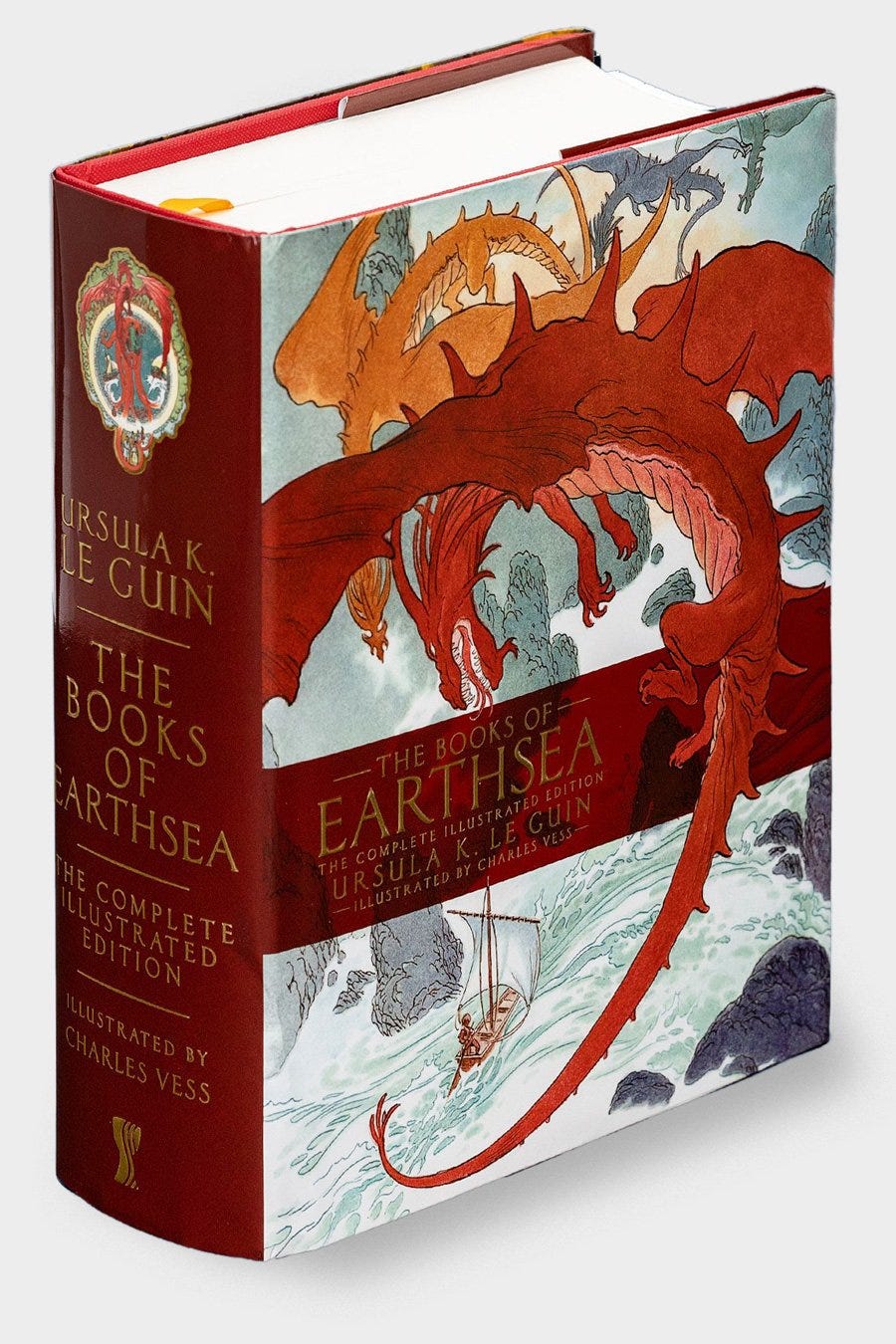
When I read Earthsea for the first time, the whole series — there’s so much to be unpacked there in terms of class, race, gender. I don’t think there’s any point at which I’m like, Ursula, please. It’s an experience you live through and feel through, and can feel a sense of brotherhood with, just by fact of it being something so beautiful and so well crafted.
So this happens to me too — it’s probably one reason I’m struggling right now to get into too much literary fiction, or even mainstream fantasy literature. Because, again, the whole tropey thing: there’s a lot of push to add the politics. But you don’t need to add it. It’s there. We as human beings are — it just is. It’s a fact of life. I don’t know what you’d say about that.
JESSIE: No, absolutely. That’s why I probably tend to prefer fantasy over science fiction, because those things tend to be a bit more hidden in fantasy — which allows you to come to unusual conclusions, rather than having it spelled out to you. Sci-fi can be a bit more on the nose with that. Not all of it. Some of it is great still. But I agree. It’s an unfortunate consequence of online discourse, to some degree, and of trying to get ahead of it.
I also find it interesting when an author doesn’t include much that is political, but it’s so revealing. It’s so revealing of their point of view, of the world they come from. So that’s what authors are probably worried about: that they’ve revealed something of their psyche. That reluctance to be vulnerable about things — getting ahead of things politically particularly, but all sorts of things — can feel more guarded.
And that’s probably because authors have to have a more public profile. They have to go out, do interviews, be so much more public-facing than they used to be. So I get it. I’d absolutely be fearful of the same thing. But writing is vulnerability. It exposes so much, because with long-form prose particularly there are just so many words there. There are so many hours the reader puts in with you. There’s nowhere to hide. So I understand the fear, but it is frustrating. And it’s frustrating that authors feel they can’t take risks. Because you can definitely see it. And I find it especially true of Gen Z authors, particularly affected by some of that.
One cannot read a book, only reread it
SHANNAN: We’re getting to our time, but I wanted to close with this quote, and talk about it a little. I’ll paste it into the chat. I don’t even know if it’ll paste fully, so I might have to paste it in chunks, but I’ll read it out loud first.
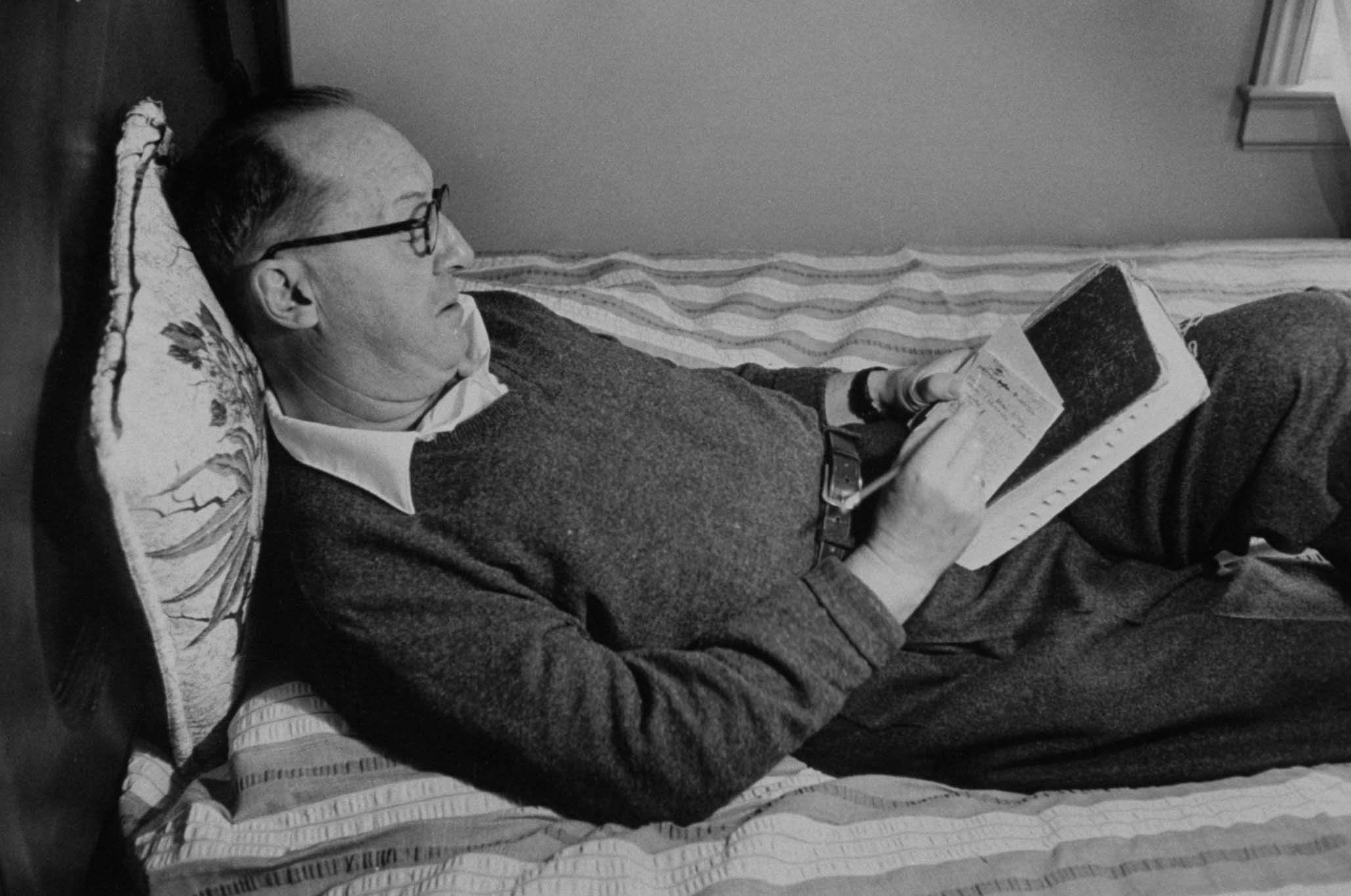
This is from Vladimir Nabokov: “Incidentally, I use the word reader very loosely. Curiously enough, one cannot read a book. One can only reread it. A good reader, a major reader, an active and creative reader is a rereader.” What do you think about that?
FULL QUOTE:
“Incidentally, I use the word reader very loosely. Curiously enough, one cannot read a book: one can only reread it. A good reader, a major reader, an active and creative reader is a rereader. And I shall tell you why. When we read a book for the first time the very process of laboriously moving our eyes from left to right, line after line, page after page, this complicated physical work upon the book, the very process of learning in terms of space and time what the book is about, this stands between us and artistic appreciation. When we look at a painting we do not have to move our eyes in a special way even if, as in a book, the picture contains elements of depth and development. The element of time does not really enter in a first contact with a painting. In reading a book, we must have time to acquaint ourselves with it. We have no physical organ (as we have the eye in regard to a painting) that takes in the whole picture and then can enjoy its details. But at a second, or third, or fourth reading we do, in a sense, behave towards a book as we do towards a painting. However, let us not confuse the physical eye, that monstrous masterpiece of evolution, with the mind, an even more monstrous achievement. A book, no matter what it is—a work of fiction or a work of science (the boundary line between the two is not as clear as is generally believed)—a book of fiction appeals first of all to the mind. The mind, the brain, the top of the tingling spine, is, or should be, the only instrument used upon a book.”
JESSIE: I really like it. For many years — and I’m sure many voracious readers are the same — I didn’t reread. I thought, there’s always more books to read; why would I reread something I’ve already read? And I’ve definitely changed my mind on that. I’ve reread more books in the last few years than ever before.
And I agree, mostly. There are very few books that work the first time and don’t after — usually books with a reveal, or a particular kind of tension to them. But the very best books always work well for a reread.
And I can’t remember where it was, whether it was in a fiction book or an essay, but someone was talking about a particular reader’s habit of reading three or four books. Must have been someone not living in 2026. They just had three or four books and they reread them. And how much they got out of those books, how much they rediscovered every time — and probably about themselves. Rereading is really about a rediscovery of your own relationship with the book, as much as anything else. But of course, craft elements too.
And in the rest of the quote he’s talking about looking at the whole of a painting — which I’m sure a lot of art lovers would say, that you have to look at a painting for a long time to really know it. But I get what he’s saying: once you see the whole work, it’s a different beast. When you’re reading for the first time, you’re not seeing that whole thing yet. And certainly if you’re interested in craft, if you’re a writer, rereading is a must, just to see how they do it. Plotting is incredibly hard, so to see a good author do it is really instructive.
I’ve read Little, Big three times now over the last three years, and it’s been beautiful every time. And it makes me cry more every time I reread it. But what about you? Are you a big rereader?
SHANNAN: Absolutely. Because I’ll get to a point where I’m reading a bunch of things that are new to me, and I’ll get so viscerally annoyed sometimes. There’ll be a time where I’ve somehow picked the wrong books. And I’ll think, you know what, I’m going to go back to the books I know are going to heal me from this experience of the past week or so.
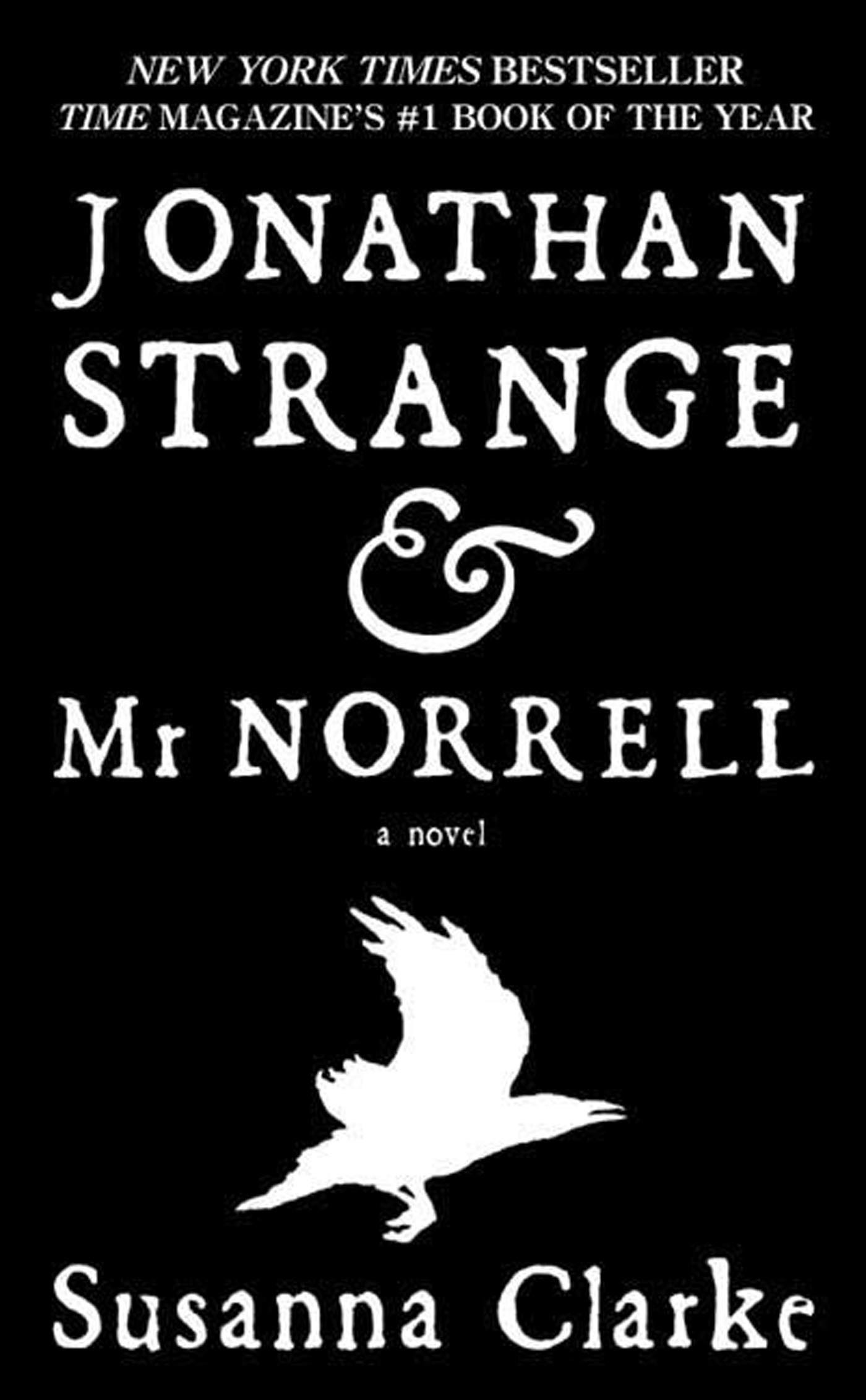
So I’m rereading Jonathan Strange & Mr Norrell again, of course, and I’m doing it as a deeper study this time. But I love rereading the children’s books I read before.
Poetry is so wonderful for rereading. It’s easier to reread in some sense. It’s shorter, of course, but it’s also our modern form of sutras. In the Vedas, a sutra is a spiritual code. You say a couple of words or a couple of syllables, and it can mean thousands — literally thousands — of different things. So poetry is our literary sutra in the modern space. Especially good poetry: you can come back to it, and there’s so much there.
Short stories also. I love reading Kelly Link’s short stories. There are some I’ll read, then listen to the audiobook, find something new, and then read again. She’s another author who I feel has grasped some sense of that innate, strange, ephemeral wonder and pure joy of good writing.
But I resonate with that a lot. I think the true test of whether a book was — if we’re going to grade it good or bad, five stars or whatever — is if you want to return to it. I think often of that movie About Time. Have you seen it?
JESSIE: Yeah, one of my favourite films.
SHANNAN: The main character has the ability to time travel. And his dad — and I don’t think I’m spoiling this for anybody — his father uses that ability to keep going back in time, and he just sits in his library and reads his books. I thought, there is the meaning of life right there for me.
So I value rereading a lot. If I can come back to a book, if I can return to it, then it becomes a living thing for me. It becomes something I have a relationship with. It becomes a person.
JESSIE: Absolutely. And I might be paraphrasing from whatever it was I read about this person who only had four books, but it’s a world you swim in, that you live and breathe in. And great books will do that for you and to you.
So I recommend to anybody who doesn’t reread their books, please do. Sometimes you’ll have a disappointment. That has happened to me. But that’s okay. You learn a lot from those moments too, when you think, okay, actually, this isn’t as good as I thought it was. And maybe it was really relying on me not knowing what was coming in order for it to work. Maybe it doesn’t actually work at a paragraph level, or maybe it doesn’t feel like it fits together quite right.
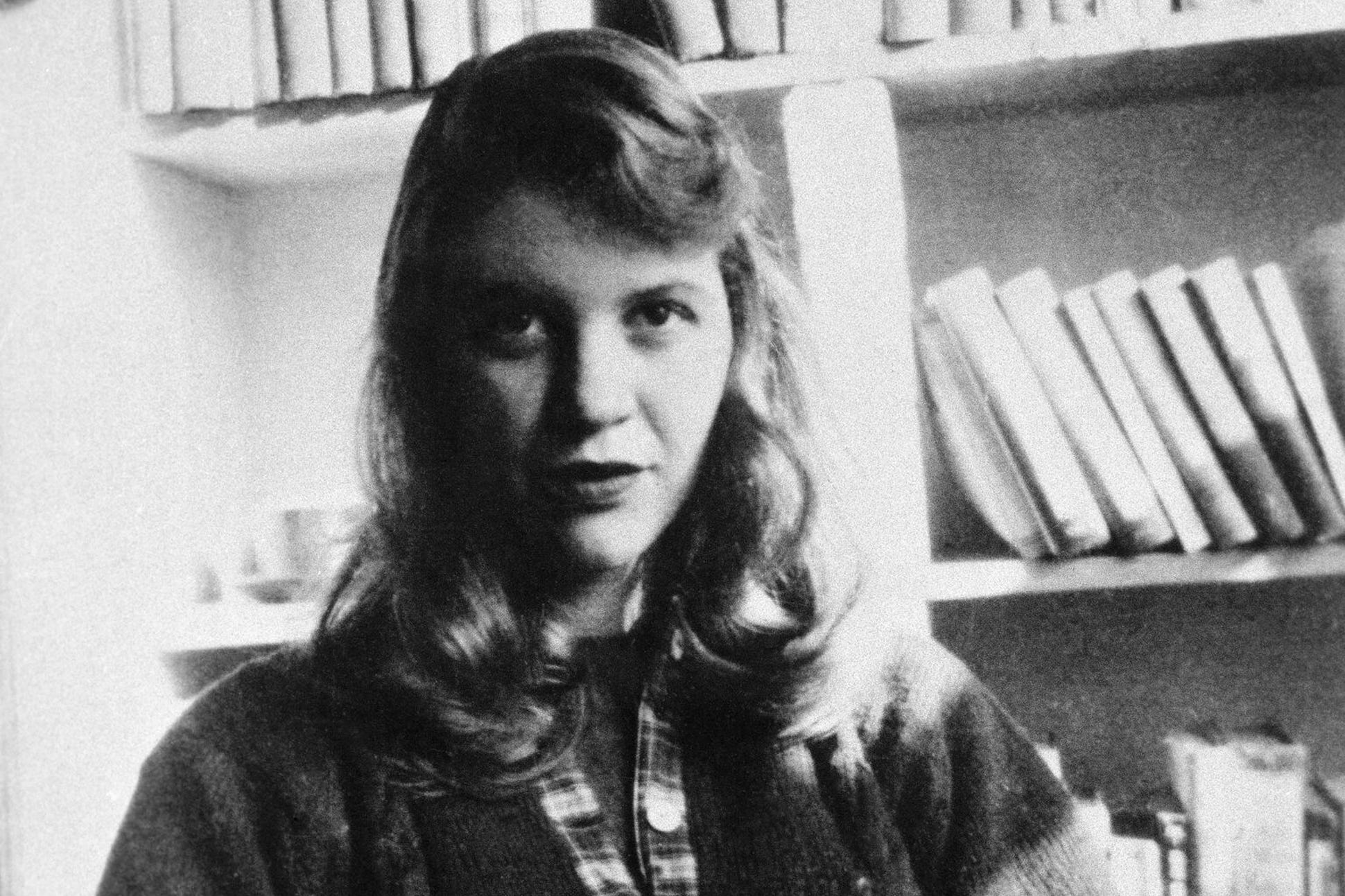
SHANNAN: It reveals more about yourself. It’s nice to know when you feel you’ve grown. As a teenager, I was a huge Sylvia Plath fan. I now appreciate her as a literary figure; I wouldn’t say I’m a fan anymore. There’s no hatred or anything, but it’s been interesting to encounter some of her work again and see things I didn’t see before, from a more critical eye — not necessarily negative. It’s made me feel, oh good, I have grown as a person. I can see these things now, which I couldn’t before.
Although sometimes there are authors who, in a sense, become like your children. Even if they produce the shittiest piece of art, you can’t say it’s bad, because you feel such a strong kinship to those artists. They’re few and far between, but there are some like that. And that’s something really sweet and special too, to a reader.
JESSIE: I think so. I definitely have a couple of authors like that. Or they’ll have written one masterpiece so great that I think, they can do no wrong. I’ll keep reading them. I’ll keep trying.
SHANNAN: Thank you so much, Jessie. This was so wonderful. I encourage everybody to please check out The Unseen Review. Jessie is so, so, so wonderful, and so lovely to have on Substack. Make Substack a better place.
JESSIE: Thank you. And you — same to you, Shannan.
SHANNAN: Thank you. And I hope we can do this again. It was lovely to have all 178 of you here. I guess that’s it. Happy reading, everybody. Bye.


