

Sure, Sylvia Plath's great, but have you tried...
More writers for you who love the rage & the mythos & the more, more, more

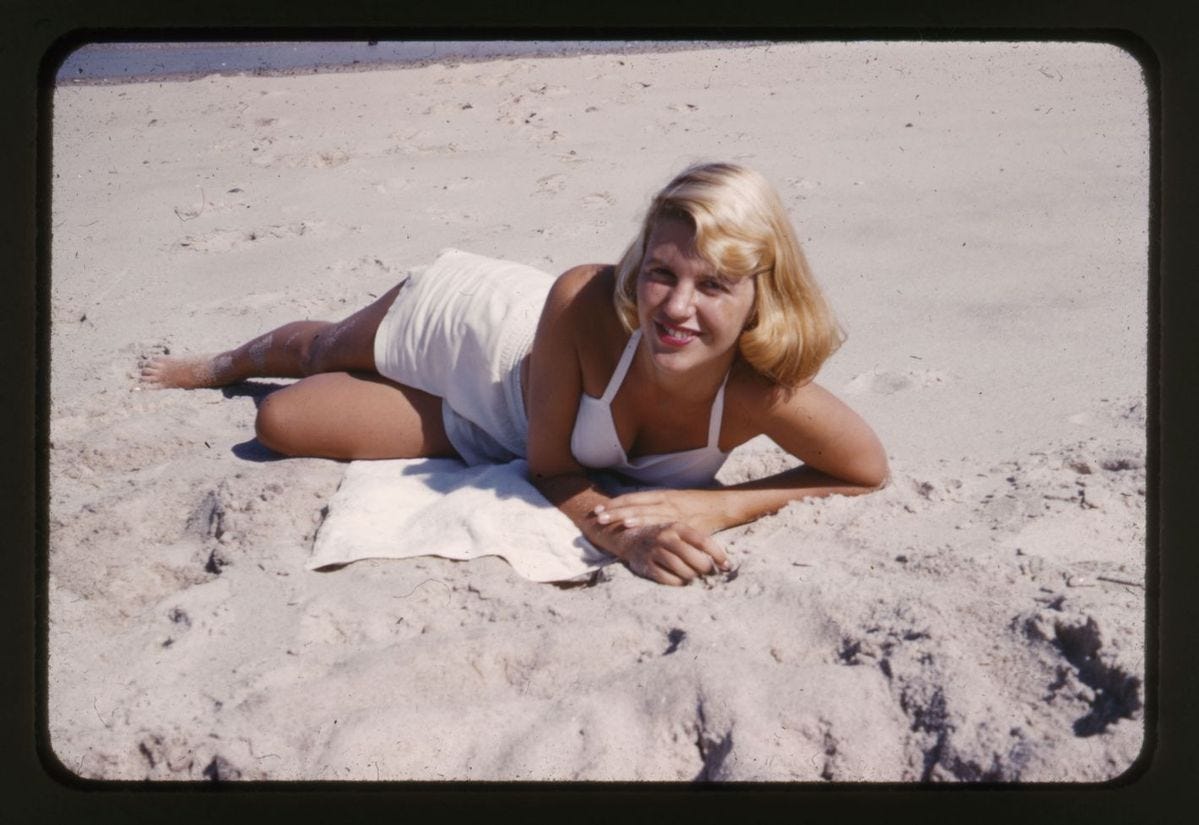
Look, I love Plath. We all love Plath (probably??). She’s sort of the gateway drug of serious poetry and deserves to be so. & yet if the shining beacons of your “dark female writer” shelf are The Bell Jar and Ariel, my friends, come on over here. The tradition Plath belongs to is so much wider and wilder and weirder than the culture lets on, and you deserve it ALL!
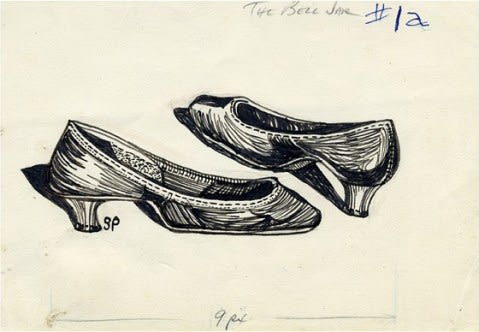
If you love Plath’s rage — that oh so agonizingly controlled fury:
Anne Sexton ✦ Plath’s literal workshop buddy, but messier, more confessional, less interested in impressing you. She’s an enigmatic witch who’ll pull your heart out (yes, that’s a compliment).
Louise Glück ✦ Moves through rage, grief, love, nature, tragedy, and a kind of seething power that both laughs at your face but also appears to kiss you—capeesh?
Bhanu Kapil ✦ Born in England, rooted in the Indian diaspora, writing at the intersection of trauma, migration, and the body. Her work is formally radical — part poetry, part essay, part ritual.
Lucille Clifton ✦ Wrote about being Black, being a woman, being in a body with a seething yet gorgeous ferocity that hits harder than most people’s screaming.
If you love the precision — that feeling that every word was placed with tweezers:
H.D. (Hilda Doolittle) ✦ Can make a Greek myth feel like it was happening in your living room.
Wisława Szymborska ✦ Polish Nobel laureate who wrote about ordinary things — a cat, a photograph, a number — with surgical philosophical precision and sly humor.
Eunice de Souza ✦ Goan-Indian poet who wrote sharp, wry, devastating short poems about Catholicism, family, and being a woman in Bombay. Totally underread outside India.
If you love the darkness — the depression, the obsession with death, the void:
Ingeborg Bachmann ✦ Austria’s great postwar poet. She wrote about the violence embedded in language itself, in love itself. Devastating and prophetic.
Sarah Kane ✦ A playwright, but her final work 4.48 Psychosis is essentially a long poem about the mind consuming itself. Not for the faint of heart.
Alejandra Pizarnik ✦ Argentina’s answer to the confessional poets, writing tiny, devastating poems about silence and annihilation. Wildly underread in English.
Han Kang ✦ The White Book is grief rendered through a catalog of white objects — salt, snow, blank pages — each one circling the death of a sister who lived two hours. I fucking adore this book which feels so weird to say, considering the book, but goddamnit that’s how I feel!!
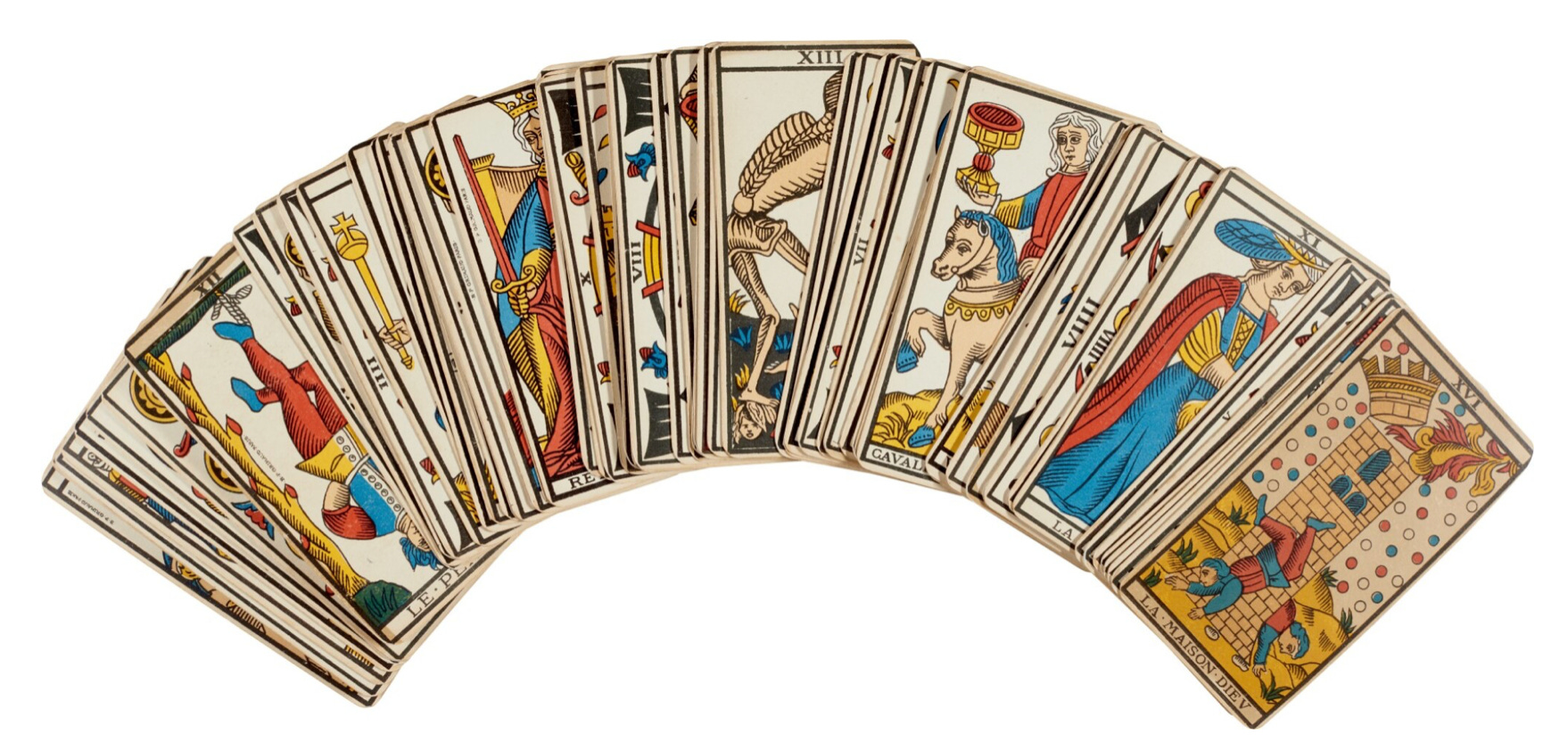
If you love the mythology — Plath turning herself into Lady Lazarus, Medusa, Electra, the moon:
Marina Tsvetaeva ✦ Russian poet who lived like a myth and wrote like one. Passionate, excessive, and absolutely uncontainable on the page.
Olga Broumas ✦ Rewrote fairy tales from inside the women trapped in them. Feminist mythmaking at its finest.
Anne Carson ✦ Autobiography of Red retells a Geryon myth as a queer coming-of-age story, The Beauty of the Husband uses Keats to autopsy a marriage. She makes mythology feel like something that’s happening to you right now.
Joyelle McSweeney ✦ Contemporary poet doing something genuinely new with the grotesque, the baroque, and the necropastoral. Plath through a funhouse mirror.
Lucie Brock-Broido ✦ The most maximalist poet of the last thirty years. Every poem is a gothic cathedral of language. She makes Plath’s imagery look minimalist.
Meena Alexander ✦ Indian-American poet who wrote about displacement, memory, and the fractured self with lyric intensity. Illiterate Heart is a good entry point.
Maria Zoccola ✦ Helen of Troy, 1993 drops Helen into the American South — Appalachian housewife, Piggly Wiggly shopper, woman who leaves and comes back on her own terms. Affairs start on the internet and end in a Perkins restaurant. It’s mythmaking in reverse: epic scaled down to domestic, and more deliciously dangerous for it.
Ariana Reines ✦ Poet, playwright, and practicing astrologer. Mercury and A Sand Book treat language itself as a divinatory act. If Plath’s Taroc pack came to life and started writing poems, it might sound like this
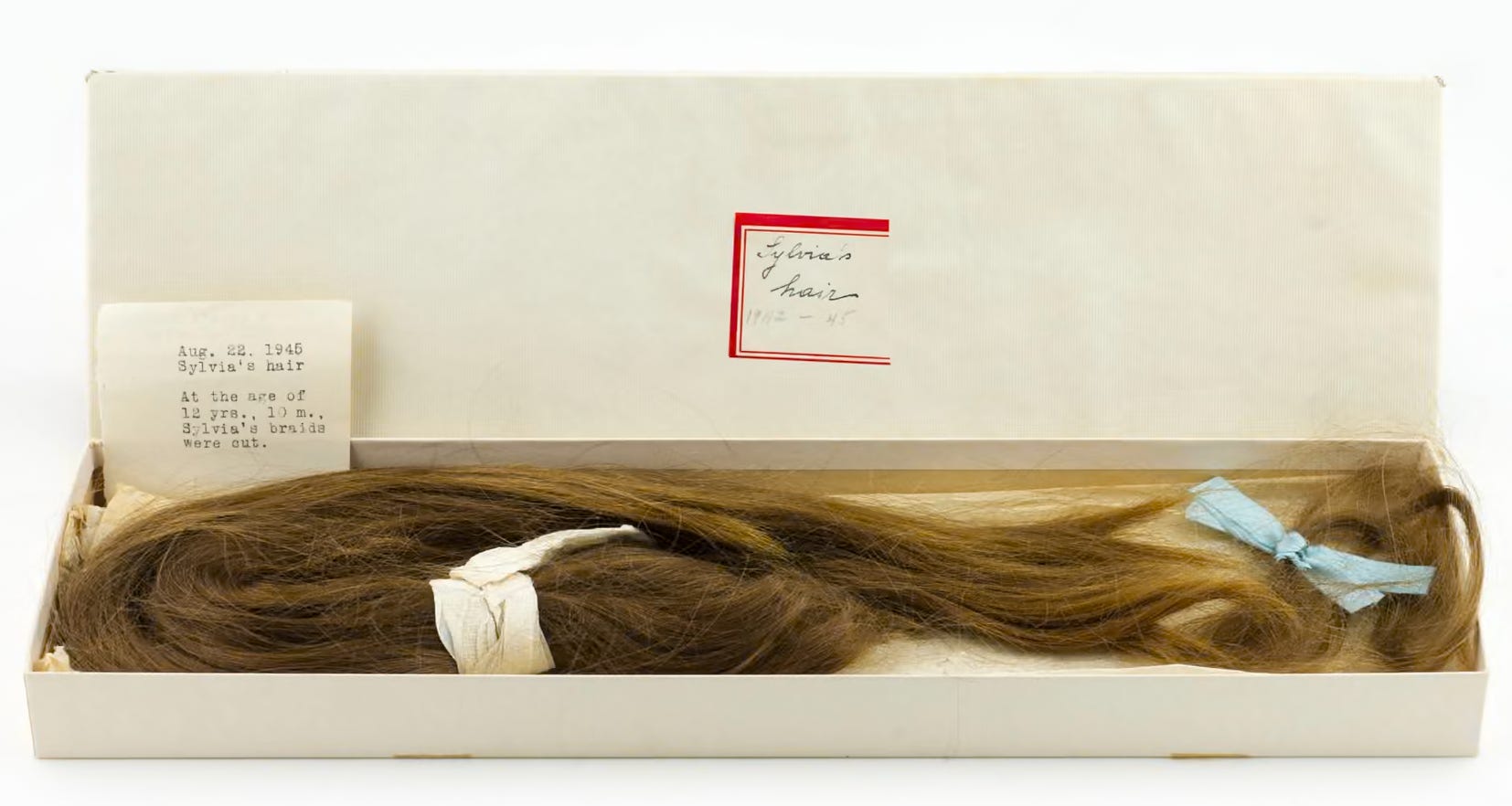
If you love the autobiographical daring — the feeling she’s telling you something she shouldn’t:
Mary Karr ✦ Memoirist, but Viper Rum and Sinners Welcome are poetry collections that bring the same ruthless self-examination. She’s funny about it too, which Plath rarely was.
Theresa Hak Kyung Cha ✦ Dictée is a Korean-American masterpiece that mixes memoir, history, and myth in a way that refuses to be any one thing. Formally the most radical book on this list.
Jenny Zhang ✦ Her poetry collection Dear Jenny, We Are All Find is messy, bodily, immigrant, funny, and disturbing — confessional writing that doesn’t care about being elegant.
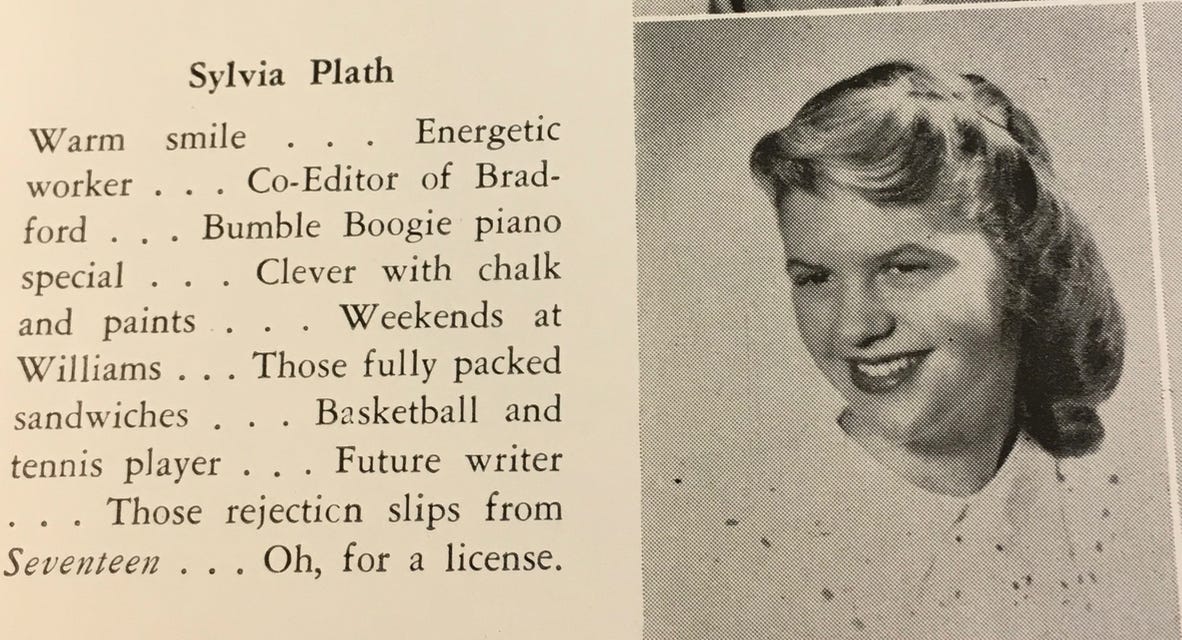
If you could just eat up all the damn(ing?) vibes om nom nom:
Ada Limón ✦ 24th U.S. Poet Laureate writing about the body, nature, and grief with Plath’s intensity but more warmth. A perfect next step.
Natalie Diaz ✦ Language that moves between English and Mojave, between the body and the political, with a physicality that pins you to the wall. Also, damn sexy at times.
Victoria Chang ✦ Obit is a collection of poems structured as obituaries for everything she lost during grief. Formally inventive and emotionally devastating. Also The Trees Witness Everything is to die for.
This is a wonderful list but I think you missed Diana Khoi Nguyen too, her collection Ghost Of is within this vein too, but about the Vietnam War, trauma that lingers and the death of her brother
Comprehensive list. I would add Joy Harjo, but I want to check out some of the others whom I have not read. Thanks!